Dell Laptop Series Explained (2026): New Names Decoded
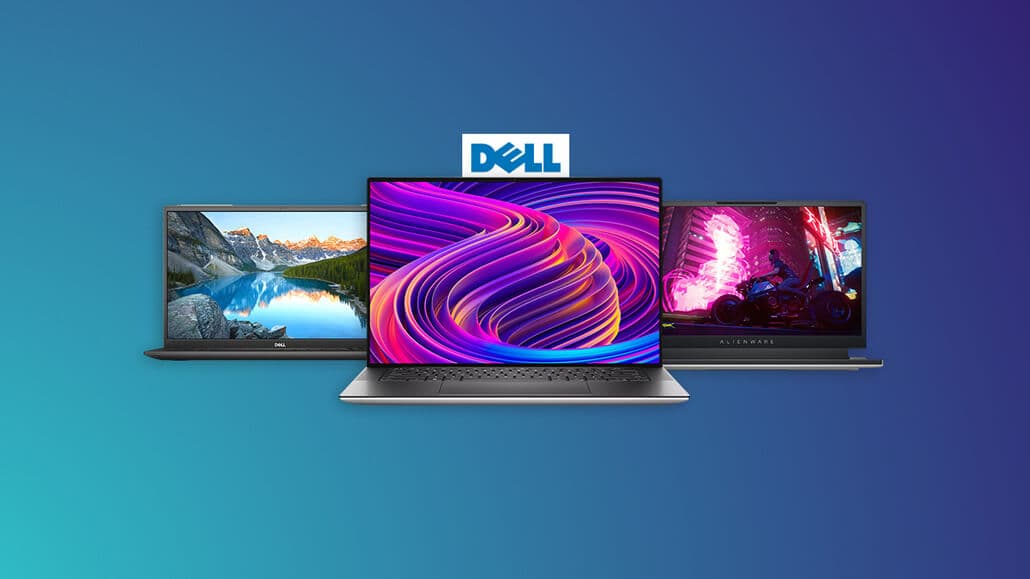
Disclosure: This post contains affiliate links. We earn a commission on purchases made through these links, at no extra cost to you.
If you learned Dell's lineup any time before 2025, most of what you know is out of date — and then it changed again. At CES 2025, Dell retired Inspiron, XPS, Latitude, Precision, and Vostro and folded everything into three families: Dell, Dell Pro, and Dell Pro Max. The internet mocked the new names as an Apple ripoff (more on that below), and by CES 2026 Dell partly reversed course: XPS is back as the name for its premium consumer laptops, and Dell Pro Max is being phased out in favor of Dell Pro Precision.
So as of mid-2026, Dell's naming has gone through two rebrands in about eighteen months. This guide decodes what's actually on shelves right now, what each old name turned into, and which line you should buy.
The old name → new name cheat sheet
| If you're looking for… | Buy this now |
|---|---|
| Dell Inspiron (mainstream/budget) | Dell (unnamed base tier, e.g. "Dell 15") or Dell 14S / 16S for mid-range |
| Dell XPS (premium) | XPS — revived in 2026 as its own brand again, starting with the XPS 13, 14, and 16 |
| Dell Latitude (business) | Dell Pro |
| Dell Precision (workstation) | Dell Pro Max, now being renamed Dell Pro Precision |
| Dell Vostro (small business) | Dell Pro Essential |
| Dell G Series (budget gaming) | Discontinued in 2025; replaced in role by the entry-level Alienware 15/16 |
| Dell rugged Latitude | Dell Pro Rugged |
Leftover Inspiron, XPS (pre-2026), Latitude, and Vostro stock is still working through retail and refurb channels. Anything with those names is old inventory, not current production — though it's often a perfectly good, discounted buy since Dell still honors the warranty.
How Dell's naming works now
Once you know the pattern, most model names decode themselves:
- The family name tells you the audience. Plain Dell is consumer/everyday, XPS is premium consumer, Dell Pro is business, Dell Pro Max/Precision is workstation, and Alienware is gaming.
- The number is screen size. A "16" is a 16-inch laptop, a "14" is 14 inches, and so on — this part carried over from the old Inspiron/Latitude convention.
- The tier word tells you the trim level. Dell uses three tiers: the base tier has no word at all (just "Dell 15"), then Plus, then Premium. So "Dell Pro 14 Premium" means the Dell Pro (business) family, 14-inch, top trim. "Dell 16 Plus 2-in-1" means the plain consumer Dell line, 16-inch, mid trim, in a convertible form factor.
- Dell Pro is shifting to numbered tiers (3, 5, 7, 9) as part of the CES 2026 changes, with higher numbers meaning thinner and lighter for Dell Pro, or more powerful for the Precision workstation line. This is rolling out through 2026, so you'll see both the old Base/Plus/Premium wording and the new numbers in the market at once.
- Form-factor tags like "2-in-1" are appended plainly, same as before.
One honest caveat: Dell doesn't publish a decoder for the internal SKU strings on its spec sheets (things like "PA14260"). Those are configuration codes, not a public naming system — compare the actual listed specs rather than trying to read meaning into the string.
Dell — the everyday consumer line
Plain "Dell" replaced Inspiron. The unlabeled base tier covers casual browsing, email, and streaming machines from roughly $399–$549, typically with Core i3/Ryzen 3 chips, 8–16GB of RAM, and 256–512GB storage.
Above that, Dell introduced the 14S and 16S in 2026 to fill the gap the old "Plus" tier used to hold — Copilot+ AI PCs with Intel Core Ultra Series 3 or AMD Ryzen AI 400 chips, QHD+ or OLED display options, and strong battery life claims (up to 24–26 hours in Dell's own testing conditions). They start around $1,270–$1,320, noticeably pricier than the old Inspiron Plus models were, partly a reflection of 2026's broader memory-chip price increases across the PC industry.
XPS — premium consumer, revived
This is the twist worth knowing: Dell killed the XPS name in January 2025, renamed it "Dell Premium," took heavy criticism for it, and brought XPS back in January 2026 as its flagship consumer brand, with Dell vice chairman Jeff Clarke publicly admitting the company "didn't listen" to customers.
The new XPS lineup got a ground-up redesign rather than just a name swap. The headline move came at Computex 2026: a completely reworked XPS 13 starting at $599 for students and $699 for everyone else — a much lower price than any XPS 13 has ever launched at, aimed squarely at competing with Apple's cheaper MacBook models. Entry configurations use an Intel Core 5 chip, 8GB RAM, 512GB SSD, and a 2.5K 120Hz touch display in a 2.2-pound aluminum chassis; Core Ultra Series 3 configurations followed later in the summer. XPS 14 and XPS 16 models round out the lineup for buyers who want more screen and power.
Dell Pro — the business line
Dell Pro replaced Latitude. It's built around vPro manageability, better security tooling, and fleet-deployment support — the stuff IT departments actually pay for. The Dell Pro 14 Premium is a good example of the top trim: a magnesium-alloy chassis around 2.5 lbs, Tandem OLED display options, Intel Core Ultra vPro processors, and up to 64GB of RAM. Dell Pro Essential (the old Vostro slot) covers growing businesses that need commercial features without the full enterprise price tag, and Dell Pro Rugged covers field and industrial use that used to be badged Latitude Rugged.
Dell Pro Max / Dell Pro Precision — workstations
Dell Precision became Dell Pro Max in 2025; Dell announced at CES 2026 that it's retiring the Pro Max name in favor of Dell Pro Precision as new models roll out. As of mid-2026 you'll still find "Dell Pro Max" workstations for sale on Dell.com alongside the newer Precision-branded ones — and Dell kept the Pro Max name for its separate AI developer desktops (the NVIDIA Grace Blackwell-based dev boxes) — so expect the laptop naming to fully settle over the next generation or two. Either way, this is the CAD, 3D-rendering, and data-science tier, with professional GPUs and the highest RAM ceilings in the lineup.
Alienware — gaming
Alienware is now a three-tier portfolio rather than a single premium line:
- Alienware 15/16 — the new budget entry point, from $1,299 (AMD) or $1,349 (Intel), effectively taking over the role the discontinued G Series used to play.
- Alienware 16X Aurora — the mainstream gaming tier, from about $1,650, with Intel Core Ultra 200HX chips and RTX 5060/5070 GPUs.
- Alienware Area-51 (16-inch and 18-inch) — the flagship, built around Dell's 30th-anniversary "Alienware 30" design language, with RTX 5070 Ti through RTX 5090 options and anti-glare OLED displays, running from roughly $2,350 up past $4,900 depending on configuration.
What happened to G Series?
Dell discontinued the G Series as part of the 2025 rebrand. Its budget-gaming role didn't get a direct one-to-one replacement under the Dell brand — instead, Dell lowered Alienware's own entry price with the new Alienware 15/16 models so that "budget gaming laptop" now means "the cheapest Alienware" rather than a separate line. If you find G Series stock still on shelves, it's leftover inventory, generally fine to buy at a discount, just not something Dell is still building.
Which Dell series should you buy?
| You are… | Buy | Roughly |
|---|---|---|
| A student on a tight budget | Base-tier Dell 15, or the new $599 XPS 13 (student pricing) | $399–$700 |
| A general home user | Dell 14S or 16S | $1,270–$1,600 |
| Someone who wants the best ultraportable | XPS 13, 14, or 16 | $700–$2,000+ |
| A small-business owner | Dell Pro Essential | ~$900–$1,400 |
| Buying for an enterprise IT fleet | Dell Pro (Plus/Premium or the new numbered tiers) | $1,200–$2,200 |
| A CAD, 3D, or data-science professional | Dell Pro Max / Dell Pro Precision | $1,800–$4,000+ |
| A gamer on a budget | Alienware 15/16 | ~$1,300 |
| A gamer who wants the best | Alienware Area-51 (16 or 18) | $2,350–$4,900+ |
If you're also weighing a non-Dell option, see our HP laptop series guide, Lenovo laptop series guide, or our head-to-head on Dell vs. Lenovo. Shopping specifically for a compact machine? Check our best 13-inch laptops roundup, which covers the new XPS 13 alongside its rivals.
Shop current Dell lines on Amazon:
Where Dell stands in the market
Dell remains the world's third-largest PC maker, behind Lenovo and HP. IDC put Dell at roughly 15.7% worldwide PC market share in Q1 2026, shipping around 10.3 million units — up about 7.7% year-over-year despite an industry-wide memory-chip price crunch that pushed up laptop prices across the board in 2026.
Frequently asked questions
What are the Dell laptop series in 2026?
The current families are: plain Dell (everyday consumer), XPS (premium consumer, revived in January 2026), Dell Pro (business, replacing Latitude), Dell Pro Max/Dell Pro Precision (workstations, replacing Precision), and Alienware (gaming, now split into Alienware, Aurora, and Area-51 tiers). Vostro became Dell Pro Essential, and the G Series was discontinued.
Is Dell discontinuing XPS?
No — Dell already tried that and reversed it. The XPS name was retired in January 2025 as part of the big rebrand, drew significant criticism, and came back in January 2026 as Dell's definitive premium consumer brand — first with redesigned XPS 14 and 16 models, then the $699 XPS 13 announced at Computex 2026.
What replaced Dell Inspiron?
Plain Dell, with an unlabeled entry-level base tier (e.g., "Dell 15") and the newer Dell 14S/16S models covering what the old Inspiron Plus tier used to.
Which Dell series is best for students?
The base-tier Dell 15 covers the cheapest needs, but the new XPS 13, starting at $599 with student pricing, is a strong step up if the budget allows — it undercuts most of Dell's own past XPS pricing while still being a premium-tier machine.
Is Latitude better than Inspiron?
That comparison no longer applies directly since both names are retired, but the underlying distinction carried over: Dell Pro (Latitude's successor) is built for business use with vPro manageability, stronger security tooling, and better warranty/support options, while plain Dell (Inspiron's successor) is tuned for personal use and general value. For a single home user, Dell is usually the better value; for a company managing many machines, Dell Pro's fleet features are worth the premium.
The bottom line
Dell rebranded twice in about eighteen months: Inspiron, XPS, Latitude, Precision, and Vostro became Dell/Dell Pro/Dell Pro Max in January 2025, and then XPS came back from the dead in January 2026 after widespread pushback over names that looked like a copy of Apple's "Pro" and "Pro Max" convention. If you remember just one thing, remember this: Inspiron → Dell, Latitude → Dell Pro, Precision → Dell Pro Max/Precision, Vostro → Dell Pro Essential, and XPS → XPS again.
For most home buyers, the new XPS 13 is the easiest recommendation in years given its price. For businesses, Dell Pro is the direct Latitude successor. If you're cross-shopping brands, our HP laptop series and Lenovo laptop series guides use the same decoder approach for their own recent rebrands.

Tech enthusiast and founder of Technize. Passionate about making technology accessible and helping people make smarter buying decisions.